
La versión en español está después de la versión en inglés.
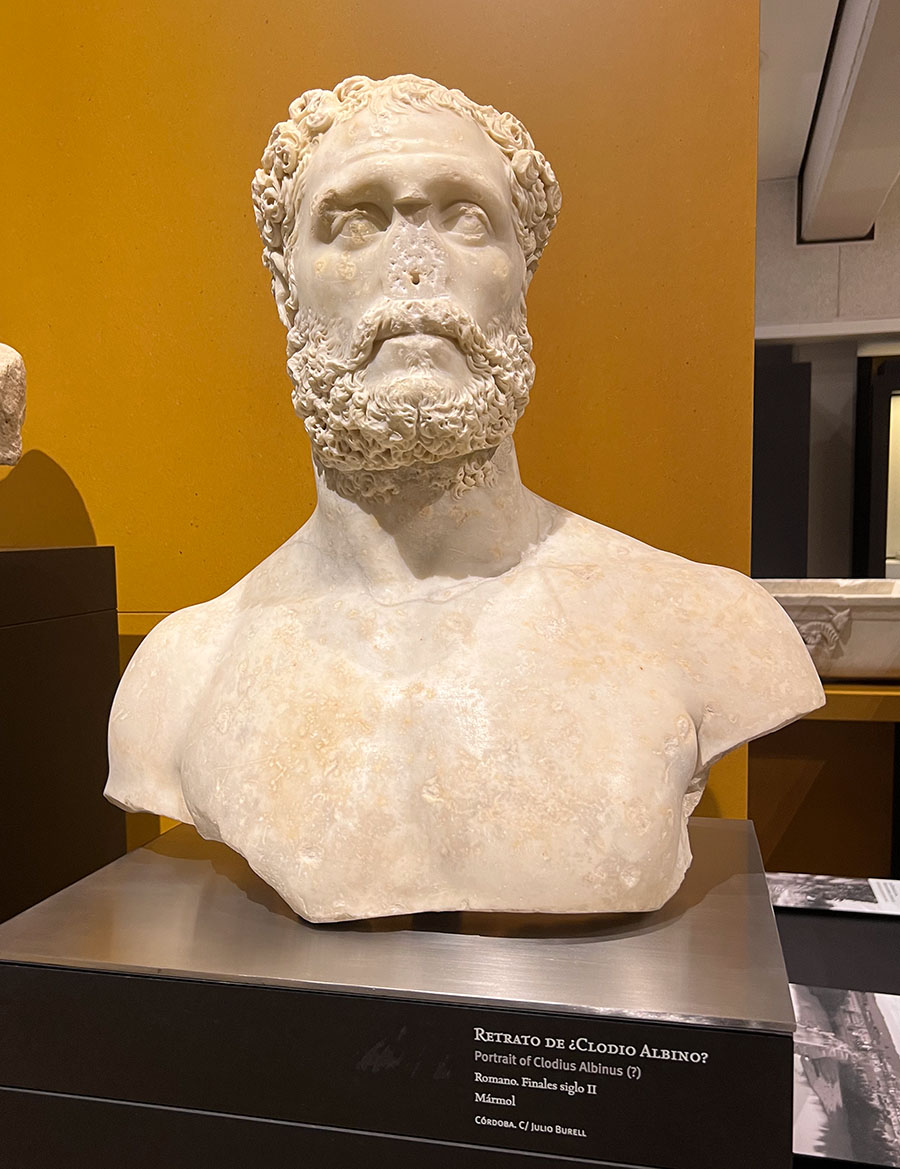
During one of my art history classes (which now falls under the category of ancient history), a fellow student asked, “Why did they make them all without arms, legs, and noses?” Although there were snickers all around the lecture hall, the professor, surprisingly kindly, explained that most works were in fact “full bodied” and were either purposely or accidentally damaged over the centuries.
I’m here to prove that some of “them” did indeed have arms and legs, and even noses. Many of the works on display in the archaeology museum have been partially restored or reassembled. Others somehow survived intact.
The first bit of Cockney rhyming slang I ever learned (not that I know much) was, “Nice legs, shame about the boat race” which meant “shame about the face.” It was 1979, a song by The Monks, and it’s an ugly sentiment. So, the end of the song is still satisfying.
Durante una de mis clases de historia del arte (que ahora entiendo como historia antigua), un compañero preguntó: “¿Por qué las hicieron todas sin brazos, piernas ni narices?” Aunque hubo risas por todos lados en la sala de conferencias, el profesor, sorprendentemente amablemente, explicó que la mayoría de las obras eran, de hecho, “de cuerpo entero” y fueron dañadas intencional o accidentalmente a lo largo de los siglos.
Estoy aquí para demostrar que algunas de “ellas” sí tenían brazos, piernas, e incluso narices. Muchas de las obras expuestas en el museo de arqueología han sido parcialmente restauradas o reensambladas. Otras, de alguna manera, sobrevivieron intactas.
La primera rima cockney que aprendí (aunque no sé mucho) fue: “Buenas piernas, lástima la regata”, que significaba “Buenas piernas, lástima la cara”. Era 1979, una canción de The Monks, y era un sentimiento desagradable. Así que el final de la canción sigue siendo satisfactorio. Ella rechaza sus avances y dice: “Buenas piernas, lástima tu cara.”

• Bonitas piernas…
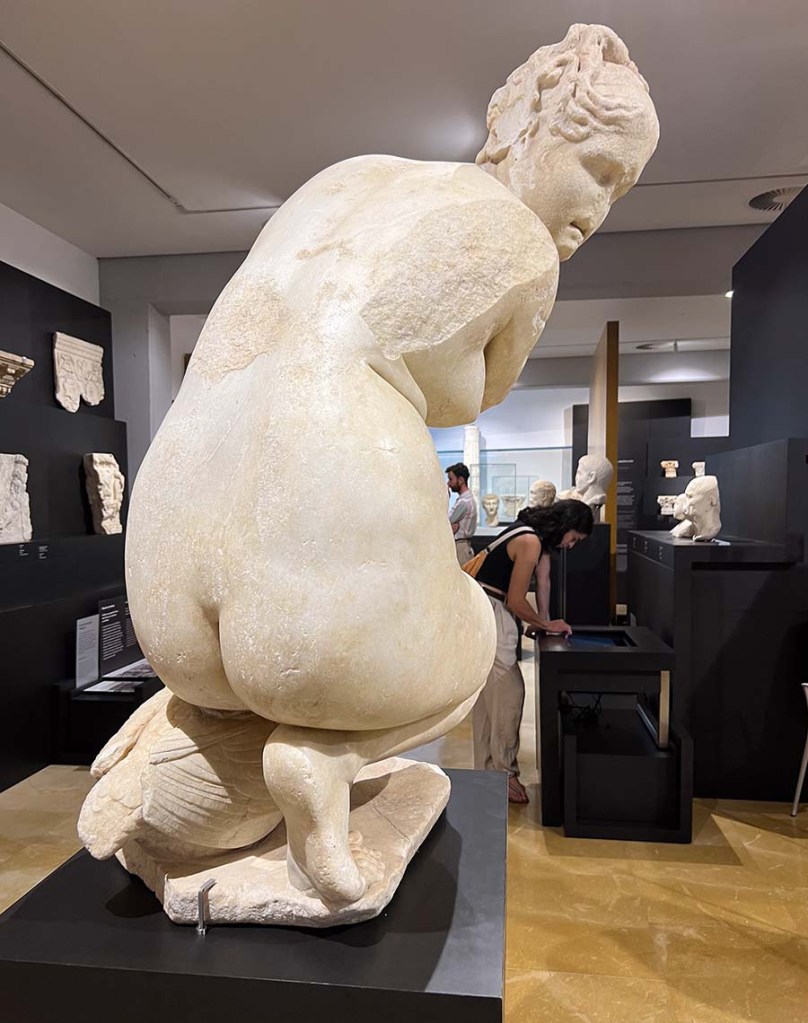
• Lástima la cara.
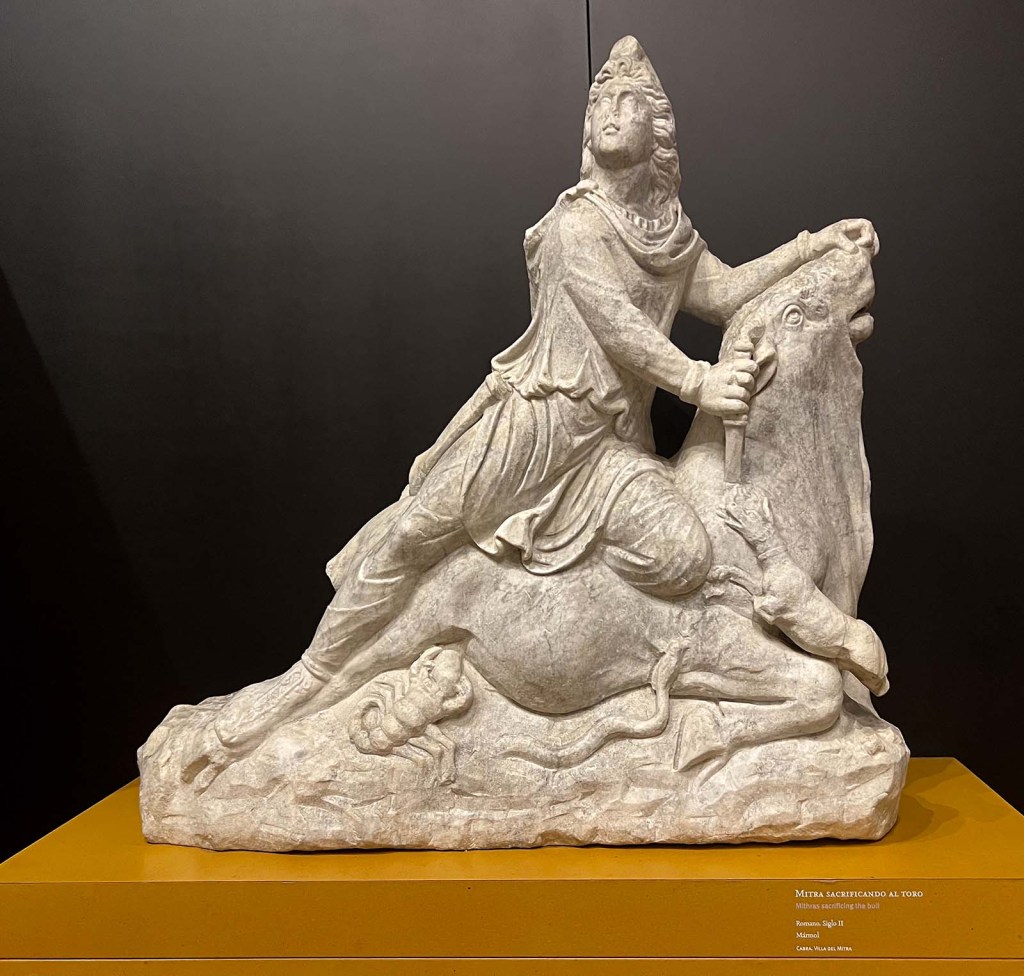
• Mitra sacrificando al torro. Siglo II. Villa de Mitra. Aproximadamente una hora en coche al sureste.
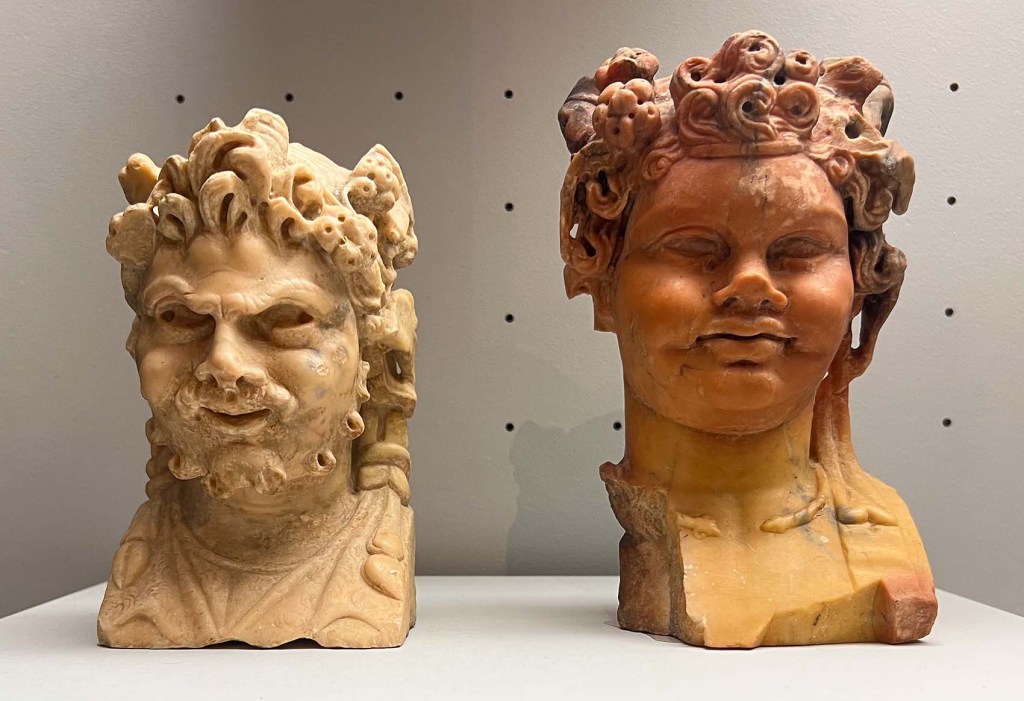
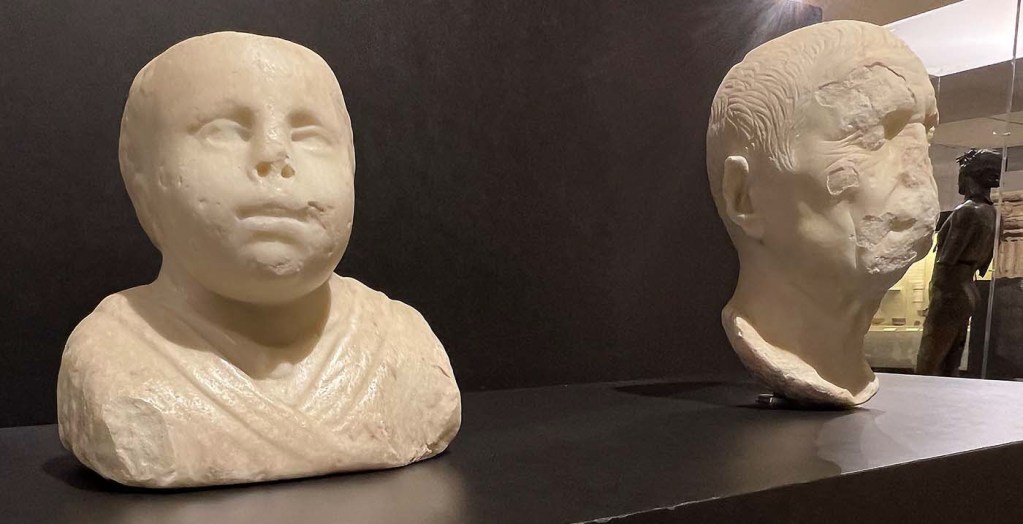
• Baco como adulto y como joven. Fue capaz de conservar su nariz.
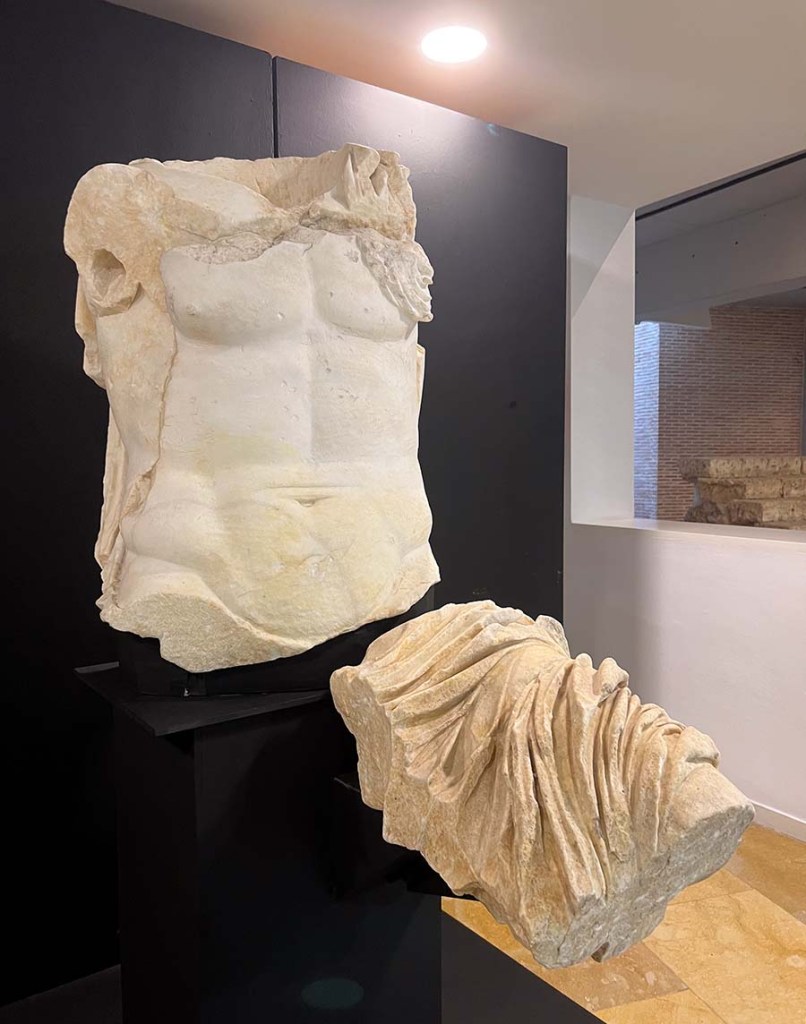
• Alguien pagó un ojo de la cara para estar aquí. (En inglés dicen pagó un brazo y una pierna.)
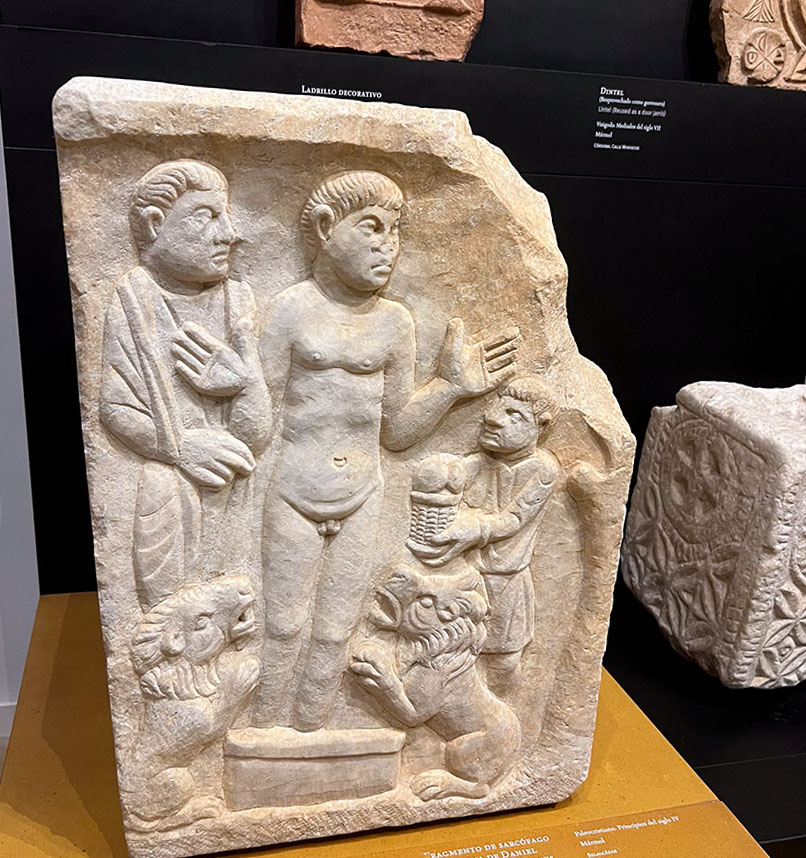
• Fragmento de sarcófago con escena de Daniel en el foso de los leones. Siglo IV.

• Logró sujetar su nariz, pero no mucho más, desde el siglo III.
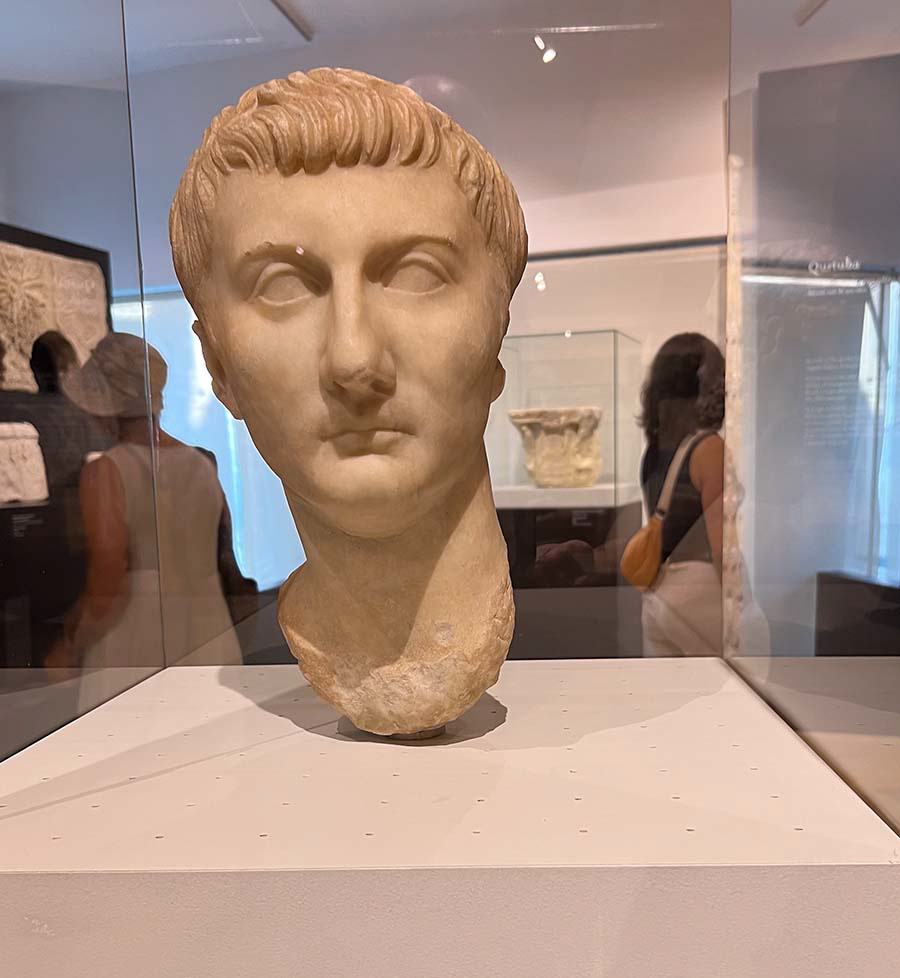
• Retrato de Druso (el Joven), hijo del emperador romano Tiberio. Siglo I. Hallado en Puente Genil, a aproximadamente una hora en coche al norte. Druso comía almendras amargas como profiláctico contra la embriaguez. He oído que no beber demasiado funciona incluso mejor.
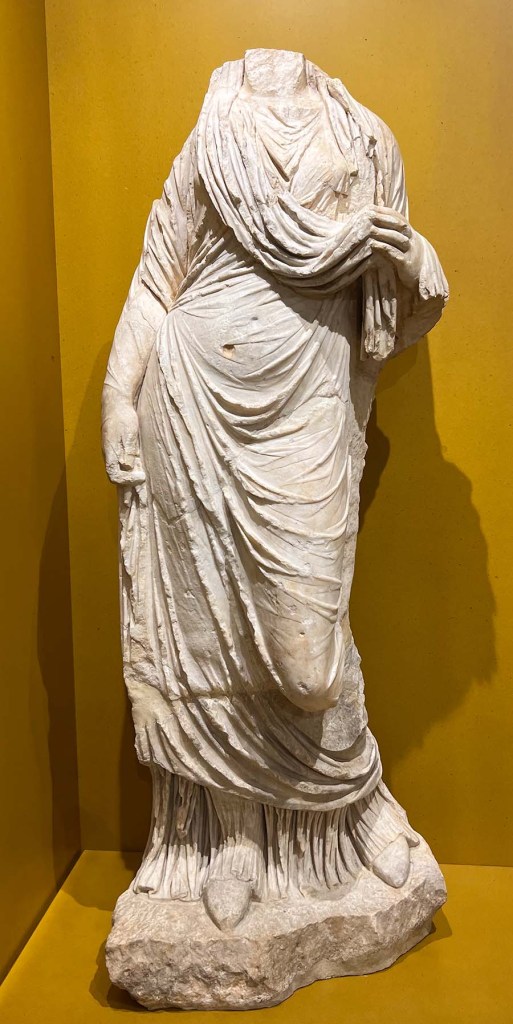
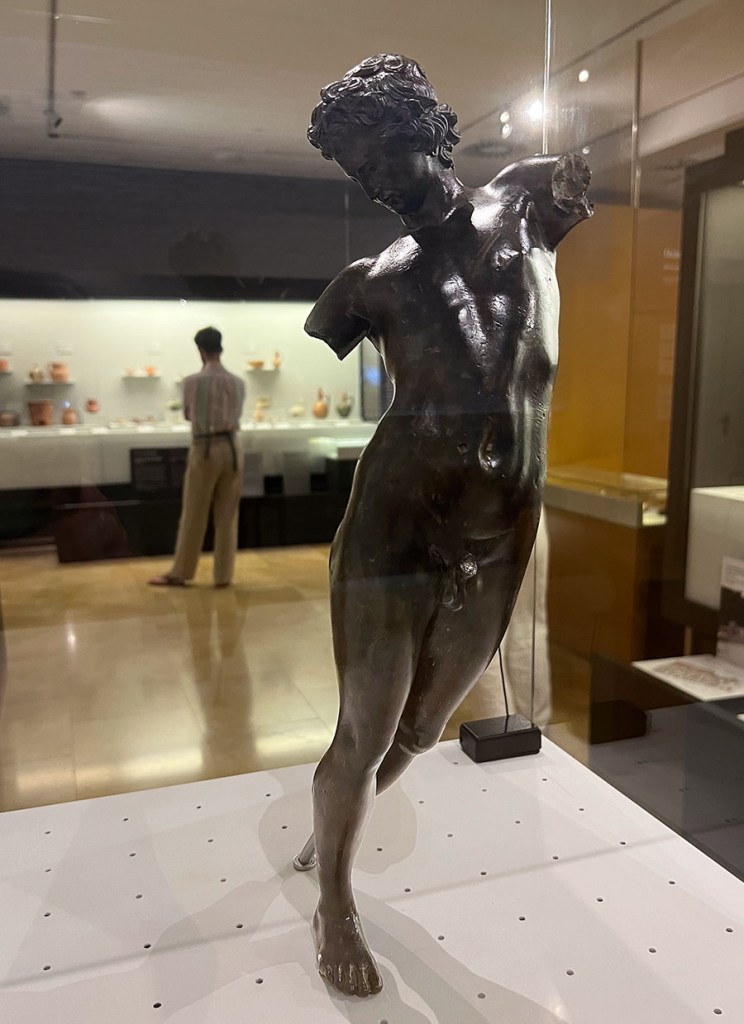
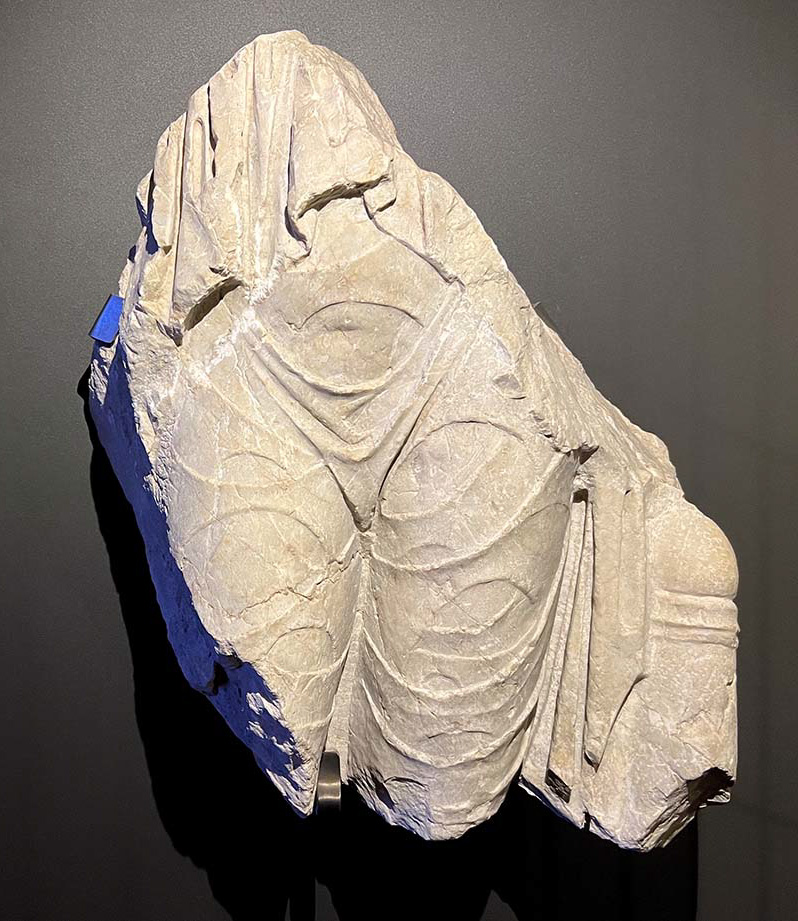
• La diosa Niké, sin muchos “swoosh”. Finales del siglo I/principios del II. Encontrada en una calle que suelo recorrer.