La versión en español está después de la versión en inglés.
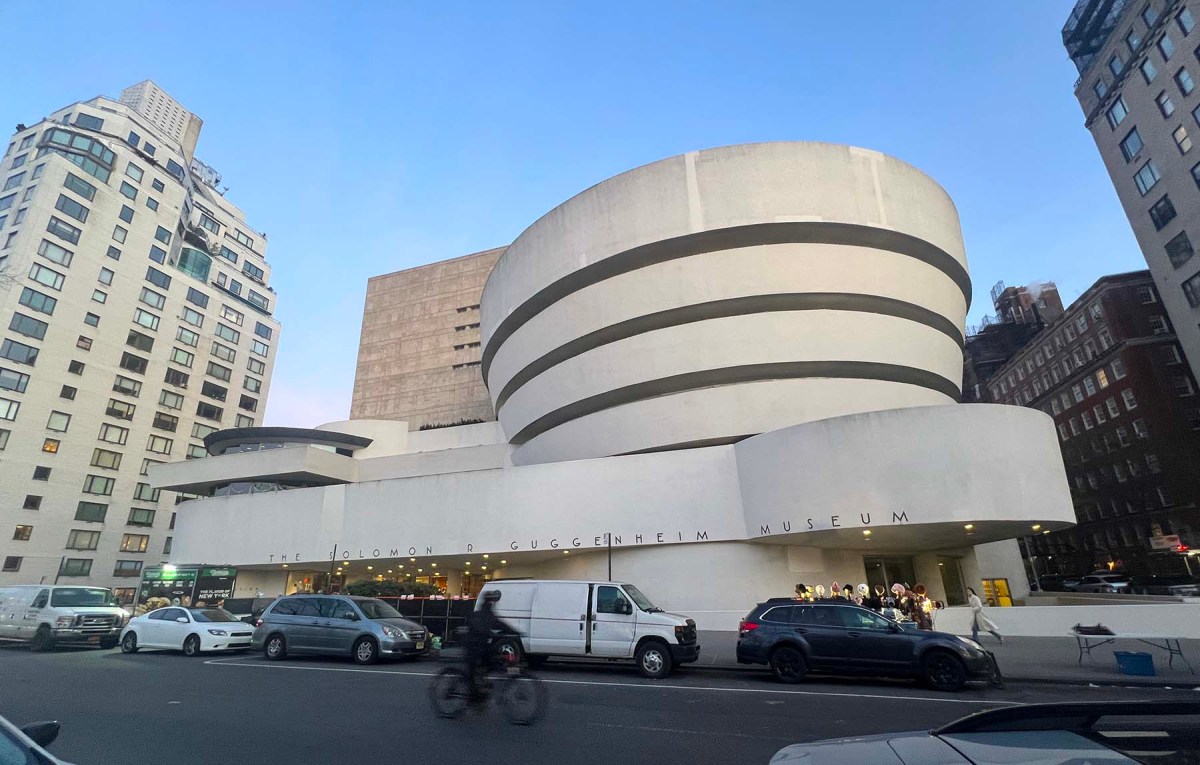
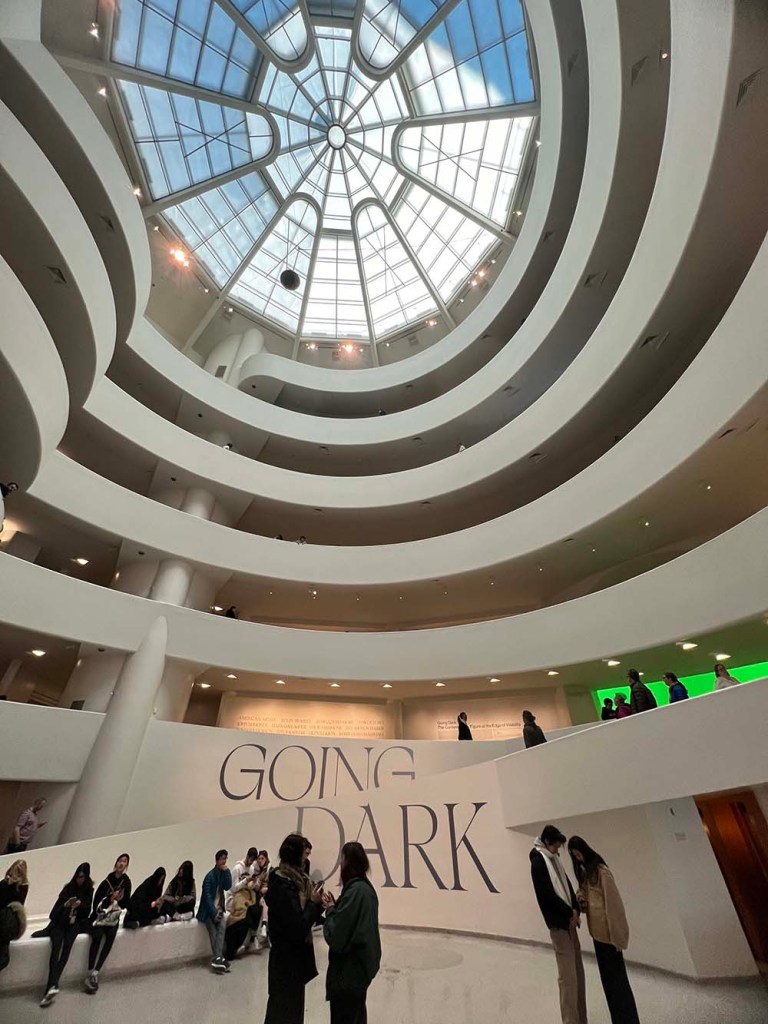
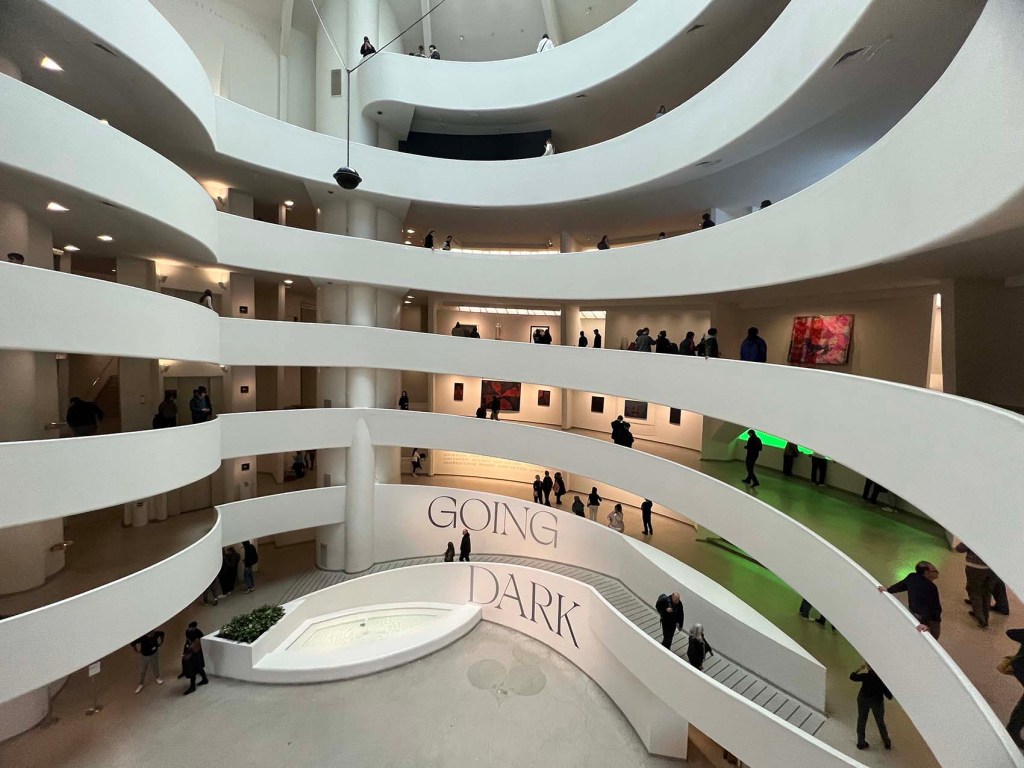
The Guggenheim exhibit I saw in New York with my cousin Al, Going Dark, was one of the best compiled and curated exhibits I’ve seen. The Guggenheim sums up the exhibit as… “a multigenerational, multiracial group of artists who address pressing questions around what it means to be seen, not seen, or erased in society, through formal experimentations with the figure.”
The works were fascinating and the messages were powerful. And everything fit as a part of the greater exhibit. I hope you can get an idea from what I’ve shared below. I have always loved this building but I don’t think it’s an easy place to display art. Some of these worked really well in the space.
After enjoying the entire exhibit, Al and I had a late lunch in the cafe and sat and talked for another hour. He then headed for Penn Station and his train back to Washington, D.C. while I enjoyed my 15-minute walk back to the subway (“the wrong subway” as The Kid Brother would tell you). I should have taken the A Train.
Right now, I’m kicking myself with my right foot because San Geraldo just popped in to ask me what my calendar was like for the next two weeks and, when I looked, I saw that my appointment with the orthopaedic surgeon about my left foot was today at 11:10 and not tomorrow as I had thought. I missed it. And the voice in my head says, “Stupid. Stupid. Stupid.”
La exposición del Guggenheim que vi en Nueva York con mi primo Al, Going Dark [Oscurecer], fue una de las exposiciones mejor compiladas y curadas que he visto. El Guggenheim resume la exposición como… “un grupo multigeneracional y multirracial de artistas que abordan cuestiones apremiantes sobre lo que significa ser visto, no visto o borrado en la sociedad, a través de experimentaciones formales con la figura”.
Las obras fueron fascinantes y los mensajes poderosos. Y todo encaja como parte de la exposición mayor. Espero que puedas hacerte una idea de lo que he compartido a continuación. Siempre me ha encantado este edificio, pero no creo que sea un lugar fácil para exhibir arte. Algunos de estos funcionaron muy bien en el espacio.
Después de disfrutar de toda la exposición, Al y yo almorzamos tarde en la cafetería y nos sentamos y hablamos durante otra hora. Luego se dirigió a Penn Station y tomó su tren de regreso a Washington, D.C. mientras yo disfrutaba de mi caminata de 15 minutos de regreso al metro (“el metro equivocado”, como te diría The Kid Brother). Debería haber tomado el tren A.
Ahora mismo me estoy pataleando con el pie derecho porque acaba de aparecer San Geraldo para preguntarme cómo estaba mi calendario para las próximas dos semanas y, cuando miré, vi que mi cita con el ortopedista por mi pie izquierdo fue hoy a las 11:10 y no mañana como había pensado. Me lo perdi. Y la voz en mi cabeza dice: “Estúpido. Estúpido. Estúpido.”
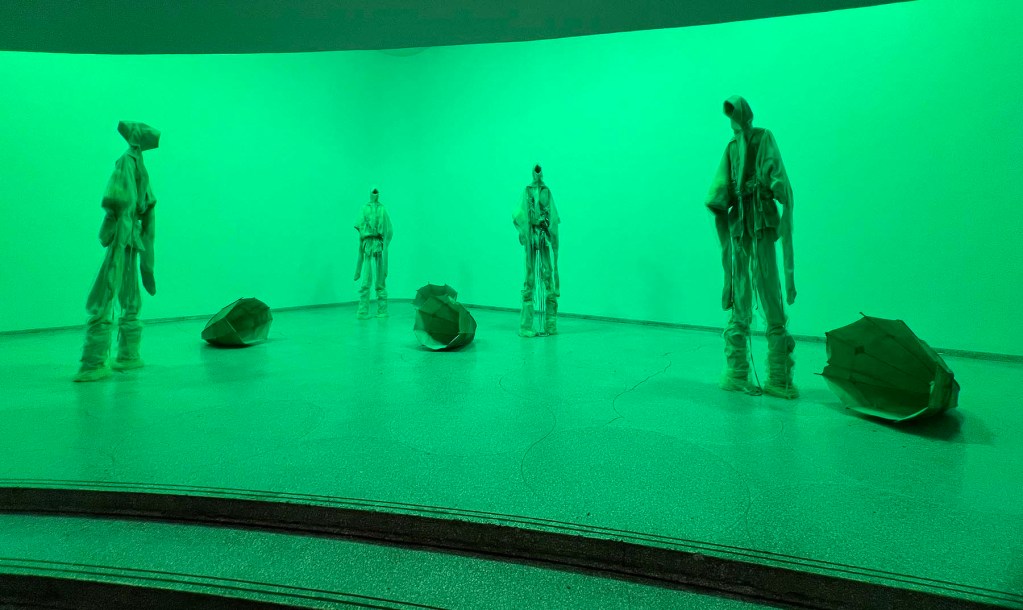
• “Guardianes Espectrales”, 2020. Sandra Mujinga, República Democrática del Congo.
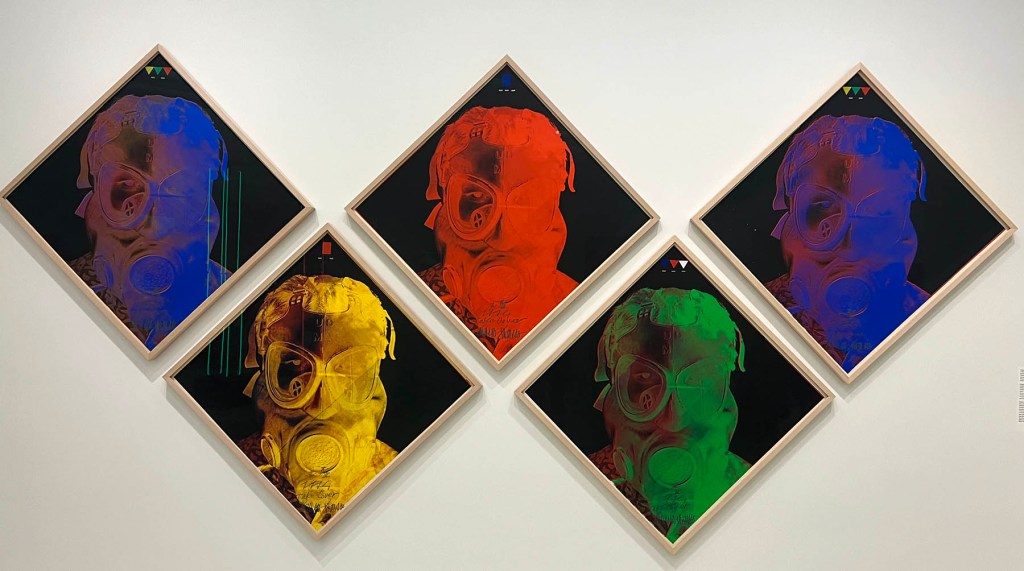
• “Ponerse a Cubierto”, 1974. Song Burnsoo, Gongju, Corea.
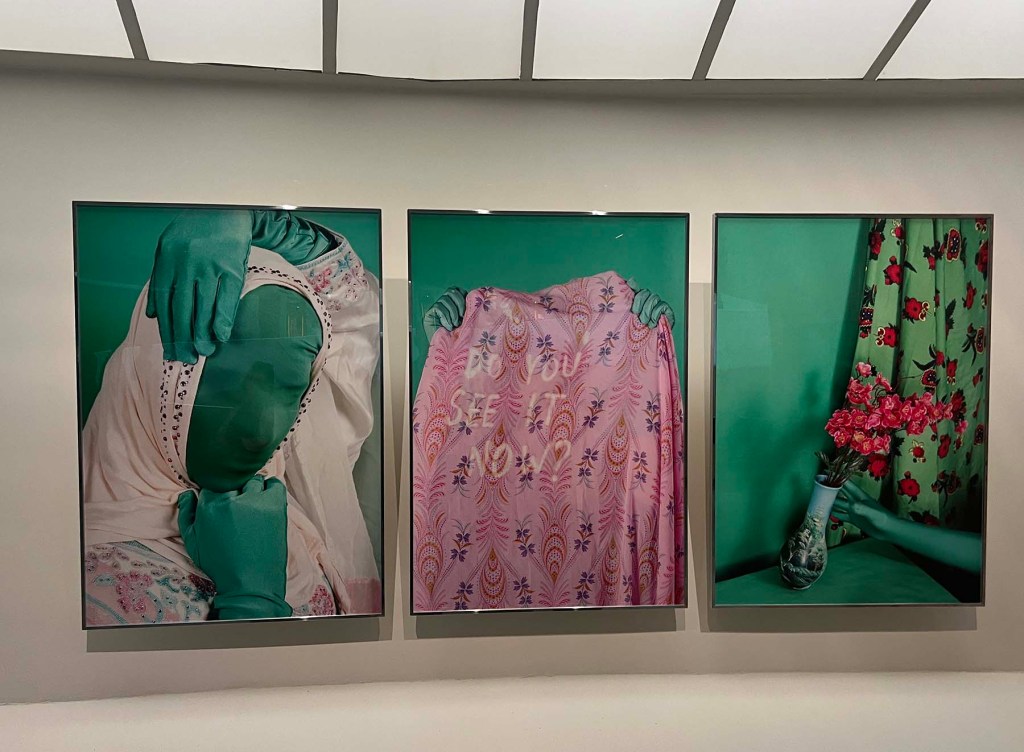
• “Resplandor absoluto”, 2017. Farah Al Qasimi, Abu Dhabi, Emiratos Arabes Unidos.
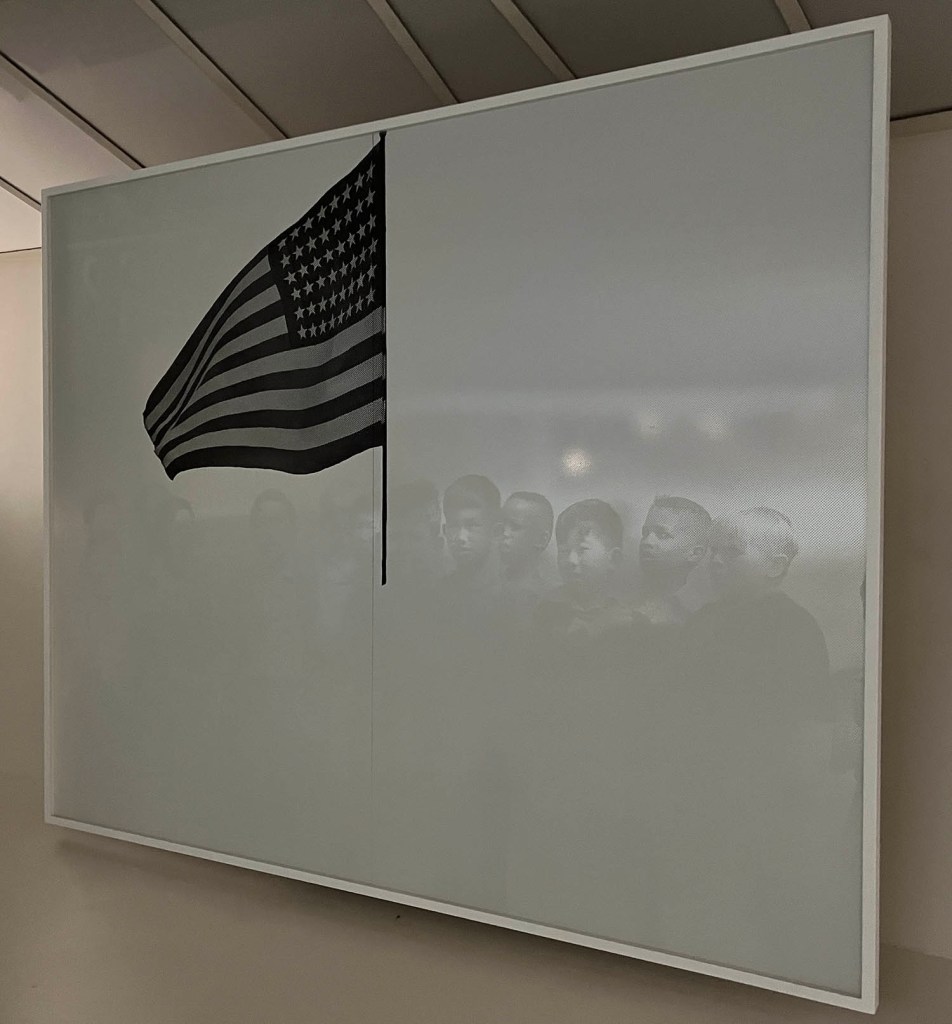
• “Un millón de segundas oportunidades (Los hombres invisibles)”, 2018. Hank Willis Thomas, Plainfield, Nueva Jersey. Esta primera imagen era invisible a excepción de la bandera. Nos ordenaron tomar una fotografía con flash para resaltar el resto de la imagen. Desafortunadamente, alguien había “destellado” mientras tomaba mi fotografía sin flash, por lo que parte de la imagen es visible.
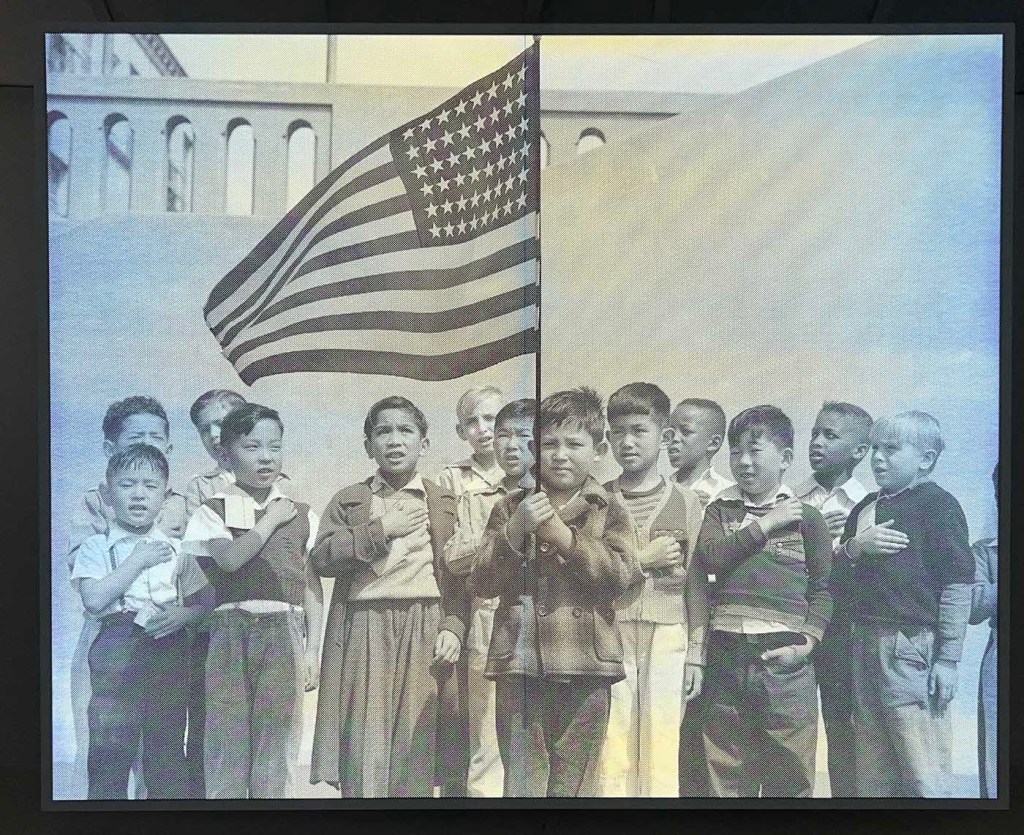
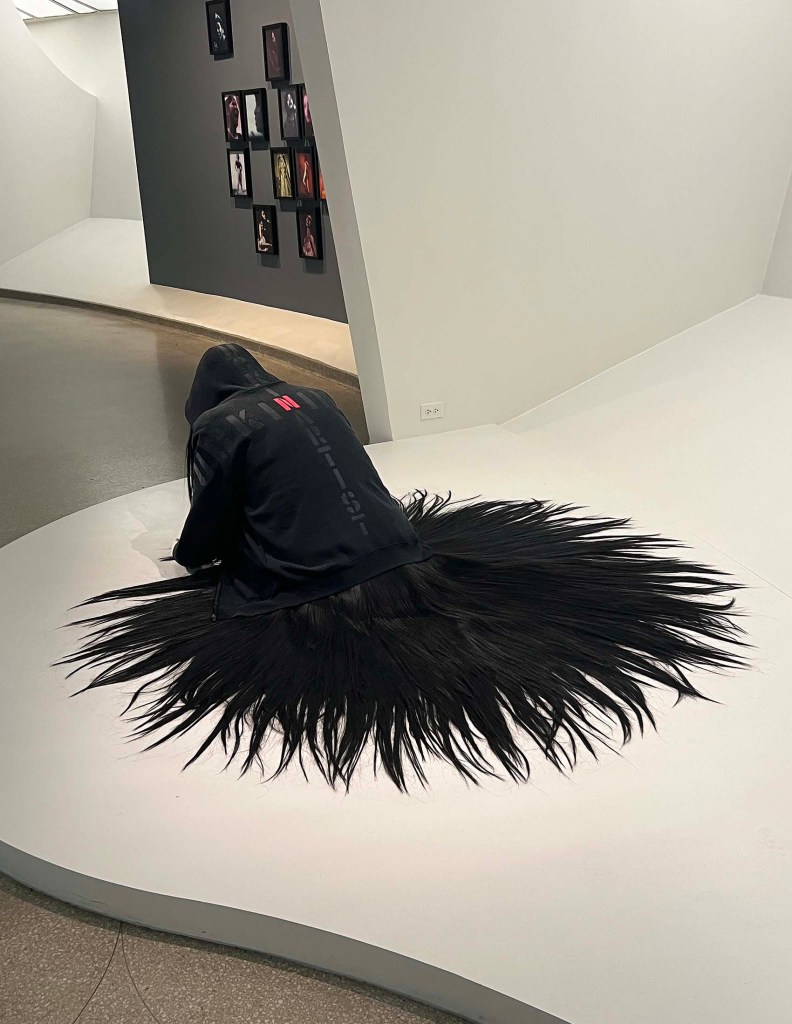
• “Bendición mixta”, 2011. Rebecca Belmore. Upsala, Canadá.
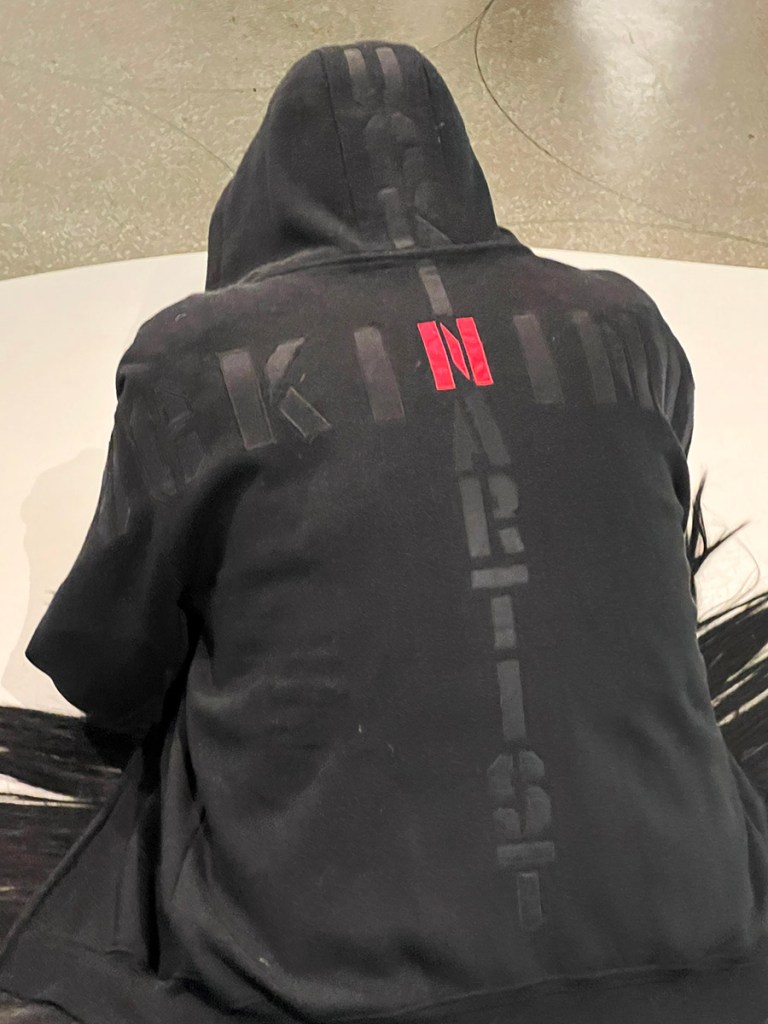
• Maldito indio/maldito artista. En forma de cruz para significar la intersección del racismo, la falta de reconocimiento y la explotación que enfrentan las artes indígenas.
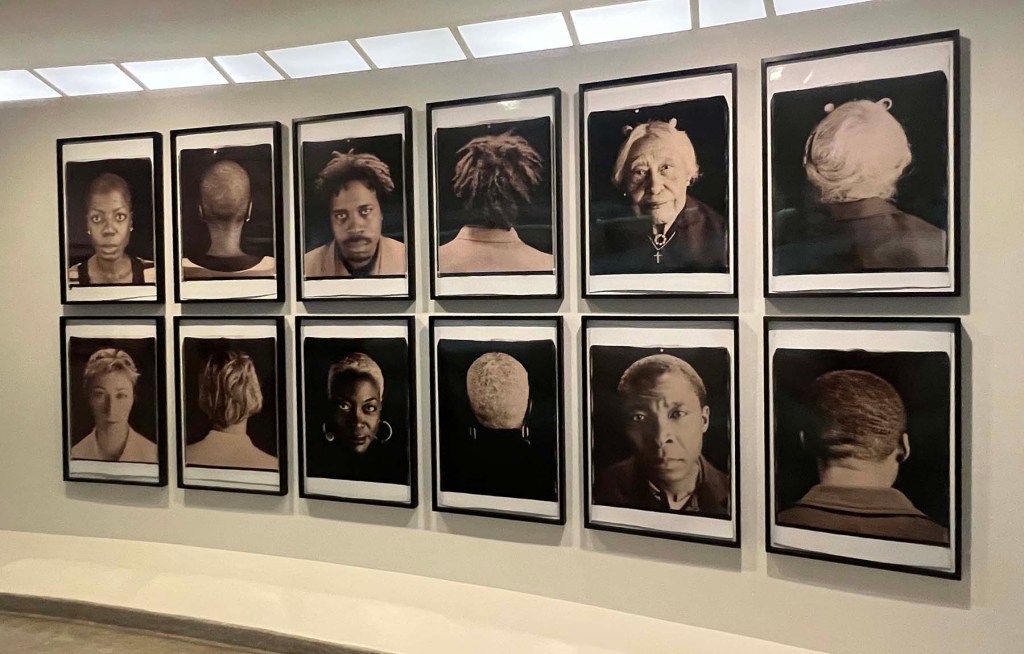
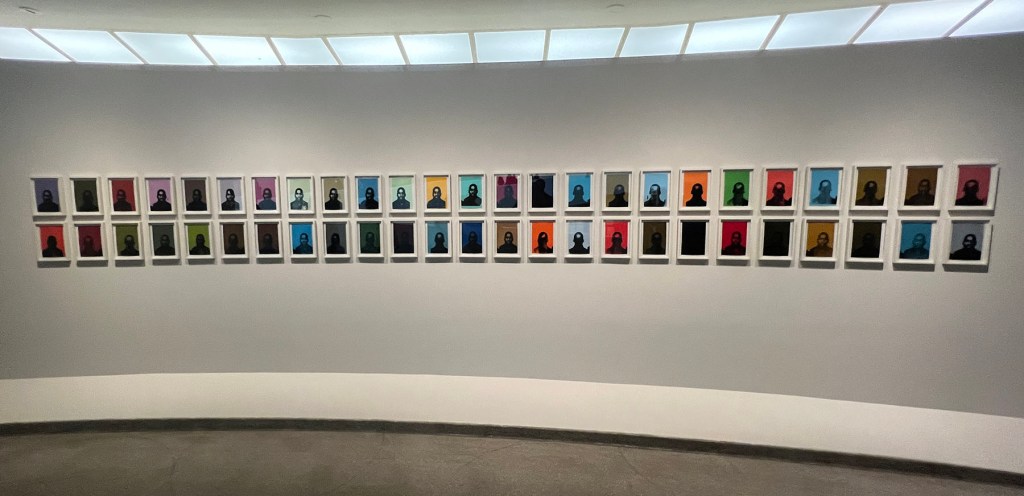
• “Serie de retratos de chocolate”, 1998–2006. Lyle Ashton Harris, Washington, D.C. Retratos de familiares, amigos, y otros artistas.
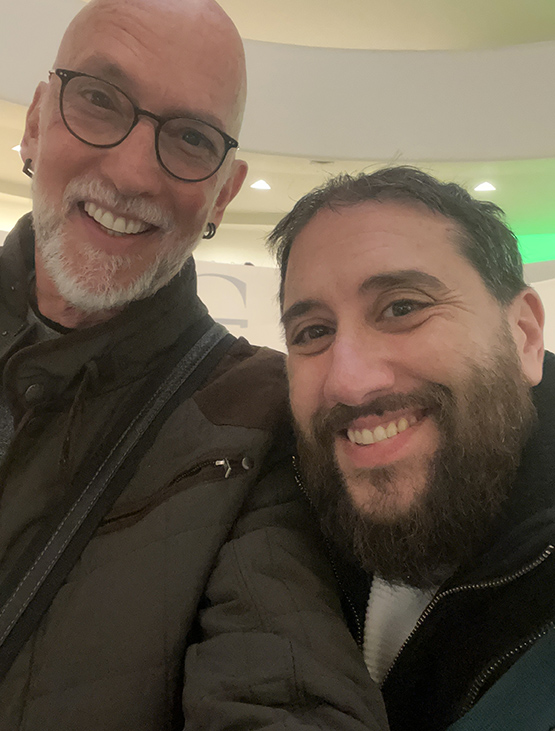
• Cousins. Being visible.
• Primos. Ser visible.


Click the thumbnails to enlarge.
Haz clic en las miniaturas para ampliar.