La versión en español está después de la versión en inglés.
If my sister, Dale, hadn’t died of cancer at the age of 29, she would be 74 today. It’s gotten to the point where it’s impossible for me to imagine who she would be at such an age. We like to believe that our loving relationships, especially with family, would survive our entire lives. They rarely do. And no one can tell me we would love each other as much as we did back then or we would get along as well. There is no way of knowing that.
We were so incredibly different. Neither of us had really grown up by that time. I was 26 and still unformed. I met San Geraldo five months later. She was even slower than I in some important ways, but she had already been married more than 8 years and had a 7-year-old daughter. She had traveled quite a bit before settling down at the ripe old age of 21. And that was across the Atlantic in England. One thing we both had in common was the desperate need to run away.
Her fantasy was that a prince on a white horse was going to come from a foreign land and carry her off. One of our cousins had been so worried about what would happen to Dale when reality set in. But, it didn’t. At least not then. An English princely type she met in Edinburgh, Scotland, swept her away. There was no horse. I suppose I had the same fantasy and I also suppose mine came true, as well. But back to Dale. It was a whirlwind romance. It seemed they couldn’t live without each other and four months later he arrived in New York. A week later, they were married. And two days after that they left for England. He made a good impression on us. I was elated. So were our parents.
But, The Kid Brother had a terrible time dealing with Dale’s departure. I lived away from home at university and he was left on his own. He idolized her. He wouldn’t speak to her new husband that entire visit. Years later, after Dale had been dead a few months, The Kid Brother came to visit me in Boston. As we walked and talked one evening (I could tell you exactly where we were at that moment), he said, “So, we lost our big sister.” “Yeah,” I said, “It’s hard, isn’t it.” Sobbing, he said, “She never should have gone with him!” And then we had a heart-to-heart where I explained love (which I knew nothing about), and how lucky she was to have had such a good life with someone who loved her so much. I did sort of believe that. Amazingly, it was a turning point for KB. Not so much for me. Mine took much longer.
So, this year, given my overall malaise, I’ve been thinking about Dale a lot. She was a good person. Damaged, but so incredibly kind. If anyone was in need, she was the first one there, from the time she was a child. Our two severely developmentally disabled cousins worshipped the ground she walked on. A neighbor’s adult daughter, an aspiring professional tennis player, was in a car accident that left her in a wheel chair with no ability to speak, process, or remember much of who she was before. The woman asked for volunteers to help bring her daughter back. Dale immediately volunteered and spent hours with her chatting and even teaching her how to hold her tennis racket. That began a cascade of improvements. Mother and daughter adored Dale and were so grateful. By the time Dale left for England, the daughter was writing a book. That gives you an idea of my sister.
Dale had challenges with marriage and motherhood. She had no guidance and wasn’t one to ask for any. She always used to address her letters to me “Dear Little Brother” and sign “Love Big Sister.” She wrote at least once a week from the time I went away to school. I received her last letter a week before we all flew to England to watch her die in hospice. She addressed that letter “Dear Big Brother” and signed it “Love, Little Sister.” I don’t think it was intentional. That broke my heart.
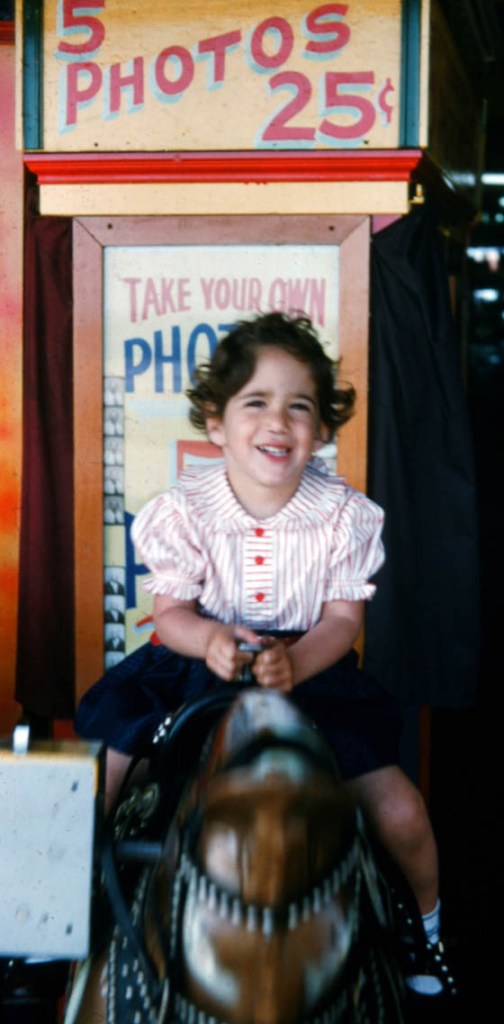
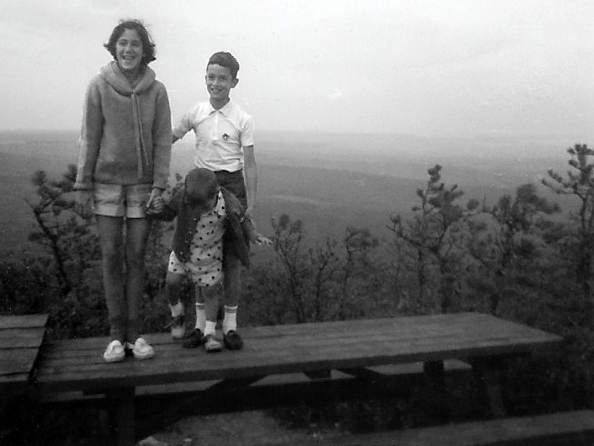
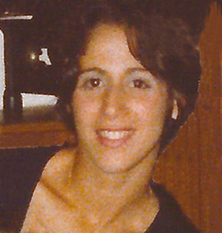
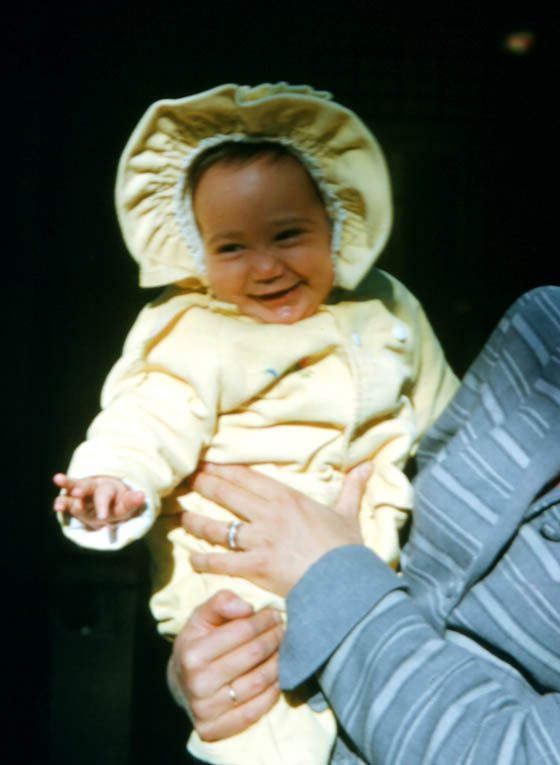
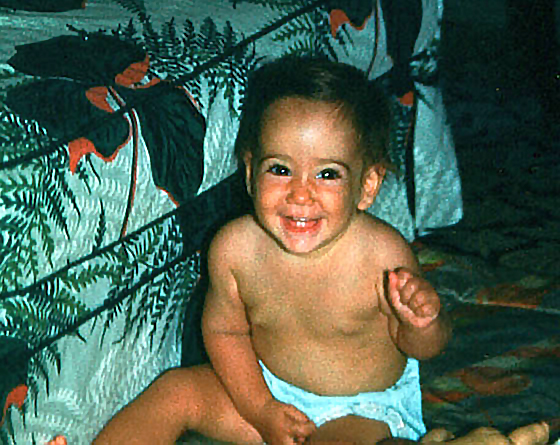
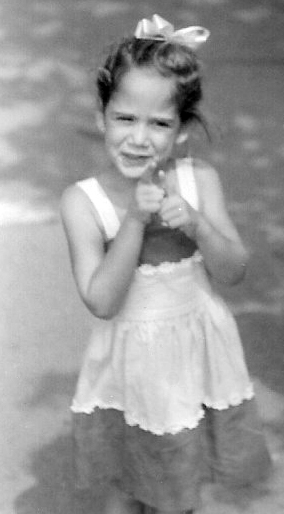
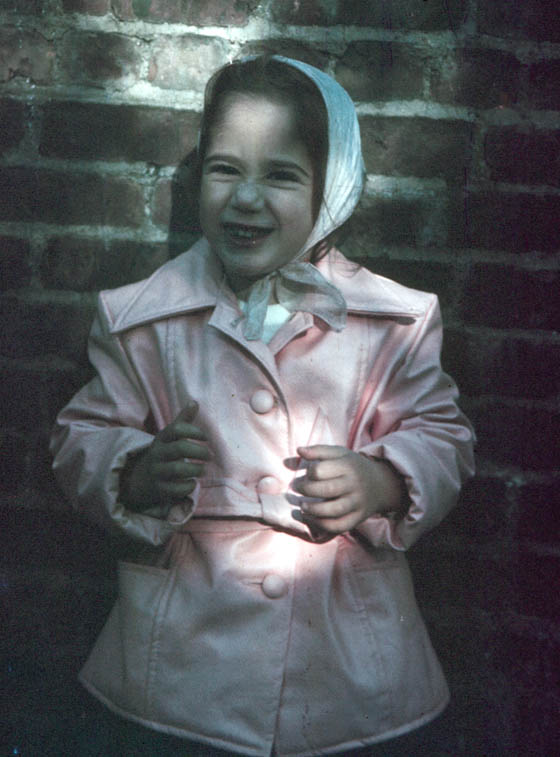
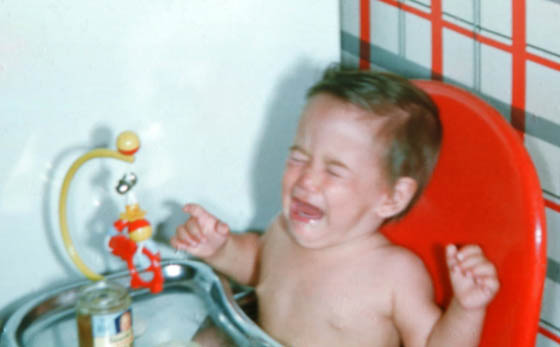
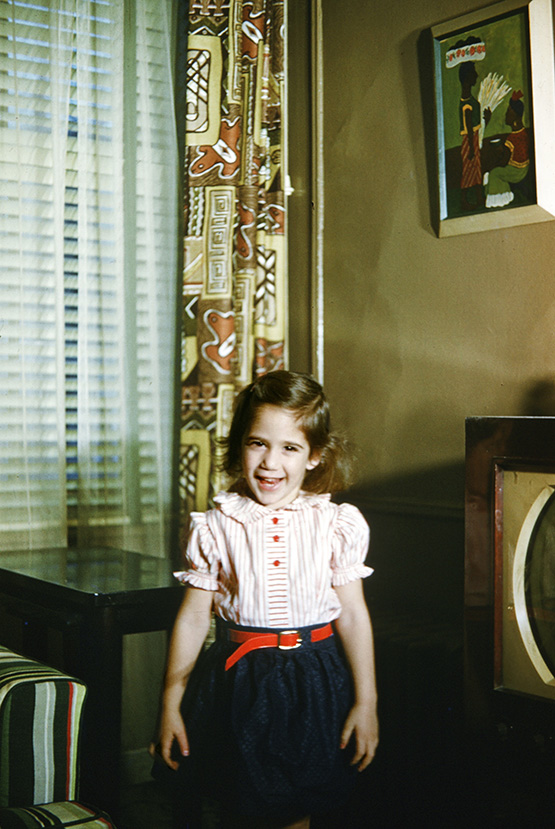
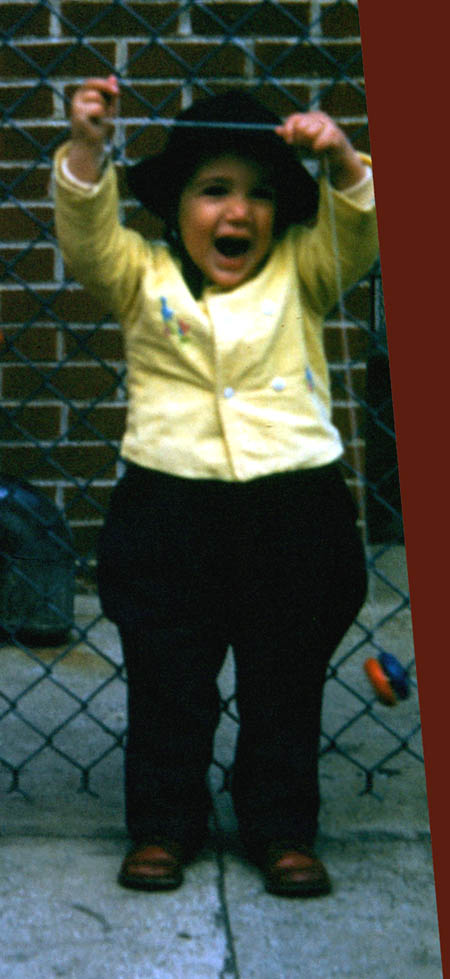
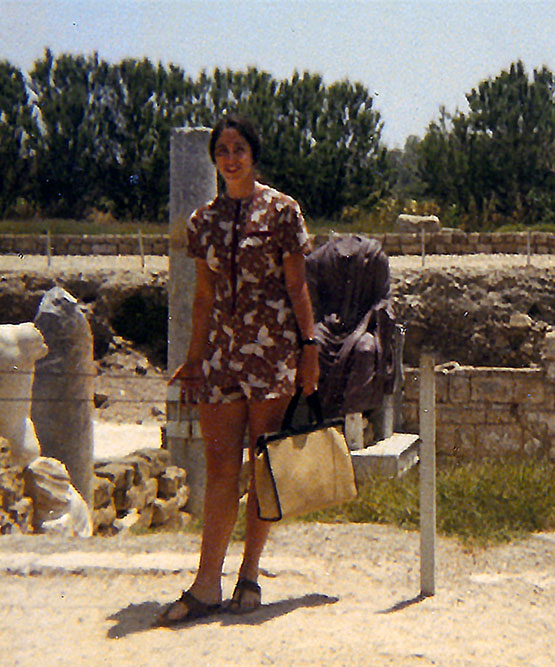
That’s not how I meant to end this epistle! So just enjoy adorable Dale’s smiling (mostly) face.
Si mi hermana Dale no hubiera muerto de cáncer a los 29 años, hoy tendría 74. Ha llegado al punto en que me resulta imposible imaginar quién sería a esa edad. Nos gusta creer que nuestras relaciones amorosas, sobre todo con la familia, sobrevivirían toda la vida. Rara vez lo hacen. Y nadie puede decirme que nos amaríamos tanto como entonces ni que nos llevaríamos tan bien. No hay forma de saberlo.
Éramos increíblemente diferentes. Ninguna de las dos había madurado realmente para entonces. Yo tenía 26 años y aún estaba en desarrollo. Conocí a San Geraldo cinco meses después. Era incluso más lenta que yo en algunos aspectos importantes, pero ya llevaba casada más de ocho años y tenía una hija de siete. Había viajado bastante antes de establecerse a la madura edad de 21 años. Y eso fue al otro lado del Atlántico, en Inglaterra. Algo que ambas teníamos en común era la desesperada necesidad de escapar.
Su fantasía era que un príncipe en un caballo blanco vendría de un país extranjero y se la llevaría. Una de nuestras primas estaba muy preocupada por lo que le sucedería a Dale cuando la realidad se impusiera. Pero no fue así. Al menos no entonces. Un príncipe inglés que conoció en Edimburgo, Escocia, la cautivó. No había caballo. Supongo que tuve la misma fantasía y supongo que la mía también se hizo realidad. Pero volvamos a Dale. Fue un romance apasionado. Parecía que no podían vivir el uno sin el otro y cuatro meses después él llegó a Nueva York. Una semana después, se casaron. Y dos días después se fueron a Inglaterra. Nos causó una buena impresión. Yo estaba eufórica. Nuestros padres también.
Pero El Hermanito lo pasó fatal con la marcha de Dale. Yo vivía lejos de casa en la universidad y él se quedó solo. La idolatraba. No le dirigió la palabra a su nuevo marido en toda la visita. Años después, cuando Dale llevaba unos meses muerto, el Hermanito vino a visitarme a Boston. Una noche, mientras caminábamos y charlábamos (podría decirte exactamente dónde estábamos en ese momento), me dijo: «O sea, hemos perdido a nuestra hermana mayor». «Sí», dije, «es duro, ¿verdad?». Sollozando, añadió: «¡Nunca debería haberse ido con él!». Y luego tuvimos una charla sincera donde le expliqué el amor (del que no sabía nada) y lo afortunada que era de haber tenido una vida tan buena con alguien que la quería tanto. En cierto modo, sí lo creía. Sorprendentemente, fue un punto de inflexión para KB. No tanto para mí. El mío tardó mucho más.
Así que, este año, dado mi malestar general, he estado pensando mucho en Dale. Era una buena persona. Herida, pero increíblemente amable. Si alguien la necesitaba, ella era la primera en llegar, desde niña. Nuestros dos primos con discapacidades mentales graves veneraban el suelo que ella pisaba. La hija adulta de una vecina, aspirante a tenista profesional, sufrió un accidente automovilístico que la dejó en silla de ruedas, incapaz de hablar, procesar ni recordar gran parte de su pasado. La mujer pidió voluntarios para ayudarla a recuperar a su hija. Dale se ofreció de inmediato y pasó horas charlando con ella, e incluso enseñándole a sujetar la raqueta. Eso desencadenó una cascada de mejoras. Madre e hija adoraban a Dale y estaban muy agradecidas. Para cuando Dale se fue a Inglaterra, la hija estaba escribiendo un libro. Eso les da una idea de mi hermana.
Dale tuvo dificultades con el matrimonio y la maternidad. No tenía orientación y no era de las que la pedían. Siempre me escribía “Querido Hermanito” y firmaba “Con cariño, Hermana Mayor”. Me escribía al menos una vez por semana desde que me fui a estudiar. Recibí su última carta una semana antes de que todos voláramos a Inglaterra para verla morir en un hospicio. Dirigía esa carta “Querido Hermano Mayor” y la firmaba “Con cariño, Hermanita”. No creo que fuera intencional. Eso me rompió el corazón.
¡No pretendía terminar esta epístola así! Así que simplemente disfruta de la adorable cara sonriente de Dale (casi siempre).
Click the thumbnails to enlarge.
Haz clic en las miniaturas para ampliar.